Unveiling Porcelain Basin's Colors: A Journey Through Silica, Thermophiles & Acidic Waters
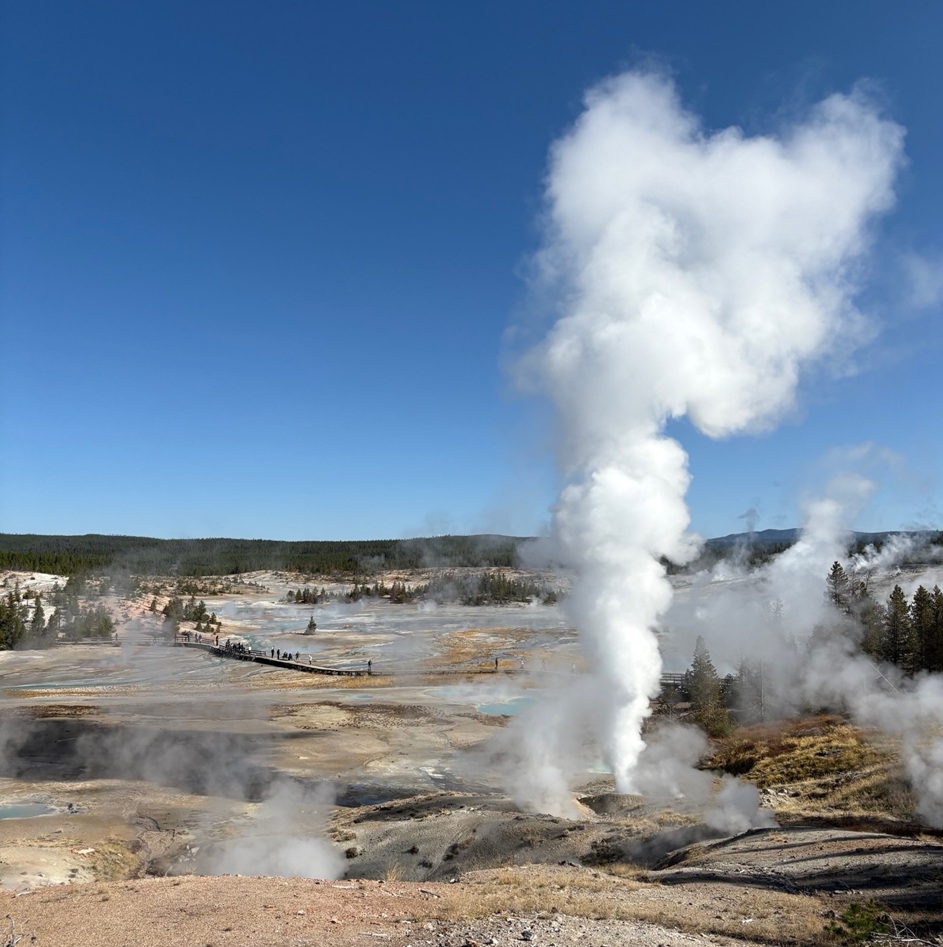
Step into a world where Earth’s raw power paints a vibrant, ever-changing masterpiece – welcome to the Porcelain Geyser Basin in Yellowstone National Park. Nestled within the legendary Norris Geyser Basin, this steaming landscape captivates visitors with its ethereal beauty and an astonishing spectrum of colors. More than just a feast for the eyes, these hues tell a profound story of geology, chemistry, and life thriving in extreme conditions. From the milky blues of silica-rich pools to the fiery oranges and deep greens created by microscopic life, every color here is a testament to the unparalleled geothermal activity bubbling beneath our feet.
The Porcelain Basin isn't merely a scenic overlook; it's a dynamic classroom where geology, biology, and chemistry converge. Understanding the forces at play not only enhances your visit but deepens your appreciation for one of Yellowstone's most active and visually stunning regions. Prepare to discover the secrets behind the basin's iconic palette, guided by the very elements that shape this unique geothermal wonder.
The Palette of Porcelain Geyser Basin: A Geothermal Masterpiece
The first thing that strikes you at the Porcelain Geyser Basin is the incredible visual display. A landscape barren of trees, yet teeming with life and vivid coloration. But what exactly creates this breathtaking array of shades?
Silica: The Foundation of Milky Blue Hues
The dominant and most iconic color of the Porcelain Basin’s pools is an unmistakable milky blue, an effect attributed primarily to silica. Silica, the main component of glass, is incredibly abundant in the thermal waters of Norris Geyser Basin – in fact, Yellowstone's Norris system boasts the highest concentration of dissolved silica found anywhere in the park. As superheated water percolates through volcanic rock, it dissolves vast quantities of silica. When this water rises to the surface and cools, the silica precipitates out as tiny, colloidal particles. These microscopic particles scatter light, predominantly blue wavelengths, resulting in the characteristic opaque, milky blue appearance of the pools. It’s like looking into a giant, naturally occurring opal, where light dances through mineral suspension.
The sheer volume of silica present here underscores the intensity and longevity of the geothermal processes in Norris. This isn't just ordinary hot water; it's a geological solvent, constantly reshaping the landscape and depositing the very material that forms the basin's namesake, often in delicate, porcelain-like formations around the edges of pools and geysers.
Thermophiles: The Living Rainbow
Beyond the geological marvels, the vibrant oranges, emerald greens, and even greenish-blacks of the Porcelain Geyser Basin are living colors, created by an extraordinary group of microorganisms called thermophiles. These extremophiles, meaning "heat-loving," are microscopic life forms that have adapted to thrive in conditions that would be lethal to most other organisms. Different species of thermophiles contain various photosynthetic pigments (similar to chlorophyll in plants, but adapted for extreme environments) or other pigments that allow them to absorb light and survive at specific temperatures and pH levels.
- Orange Hues: Often found in the cooler outflows of hot springs, orange coloration is typically produced by thermophilic bacteria and archaea that contain carotenoid pigments. These pigments not only give them their distinctive color but also help protect them from intense UV radiation.
- Greenish-Black & Emerald Green: These shades are frequently associated with specific algal and bacterial communities. One remarkable example is Zygognium, an alga that flourishes in the highly acidic waters of Porcelain Basin. You can observe Zygognium forming intricate mats and streamers. While its surface appears dark, almost black, when submerged, it reveals a bright emerald green underneath, a testament to its unique adaptations. This resilient organism thrives in astonishingly acidic conditions, with a pH ranging from 2-3 (similar to lemon juice or vinegar!), and temperatures between 68 to 96 degrees Fahrenheit.
These microbial communities form complex ecosystems, often seen as colorful mats or flowing streamers across the basin. They aren't just beautiful; they are fundamental to the ecosystem, acting as primary producers and supporting other life forms. Keep an eye out for ephydrid flies and other hardy insects. These creatures feed off the thermophile mats, forming another crucial layer in this unique food web, demonstrating life's incredible tenacity even in the most challenging environments.
Minerals and Acidic Waters: Deeper Shades of Wonder
While silica and thermophiles are primary color architects, other mineral deposits also contribute to the basin's vivid palette. Some of the intense orange colors, for example, can be attributed to the presence of minerals containing elements such as iron and arsenic. As these minerals leach from the ground and oxidize, they deposit striking pigments, adding another layer of visual complexity to the landscape.
A critical characteristic of the waters across the Porcelain Geyser Basin, particularly within Norris, is their high acidity. Many pools and vents here feature a pH as low as 2-3. This extreme acidity is a direct result of volcanic gases, like hydrogen sulfide, dissolving in the water to form sulfuric acid. These highly corrosive conditions explain why the landscape appears largely barren of conventional trees and vegetation; only specialized life forms like thermophiles can endure such an environment. Visitors are strongly cautioned to stay on the boardwalks, not just for personal safety from scalding waters, but also to protect themselves from these powerfully acidic conditions that could easily damage skin and clothing.
Exploring the Porcelain Geyser Basin Trail: Tips for Your Visit
To truly immerse yourself in the wonders of the Porcelain Geyser Basin, a stroll along its dedicated trail is a must. This easy, family-friendly adventure offers an intimate look at Yellowstone's geothermal prowess.
The Porcelain Basin Trail is a 0.75-mile circuit that consists of both a dirt path and an extensive boardwalk, designed to protect both visitors and the fragile geothermal features. It’s an accessible route, making it popular with all ages and abilities. As you traverse this path, you'll encounter a diverse array of geothermal phenomena, including constantly bubbling crystalline hot springs, steaming fumaroles (vents), vibrant mud pots, and powerful geysers.
Practical Tips for Your Visit:
- Beat the Crowds: The Porcelain Basin Trail is incredibly popular, especially during the summer months. To enjoy a more serene experience and avoid large groups, plan to visit early in the morning. Not only will you have fewer people sharing the boardwalk, but the cooler morning air often enhances the steam, creating a more dramatic and mystical atmosphere.
- Getting Started: Your journey begins conveniently at the Norris Geyser Basin Museum. From there, follow the clearly marked trail a few hundred yards northward until you reach the start of the boardwalk.
- Trail Direction: Once on the boardwalk, it’s recommended to take a right to follow the Porcelain Basin circuit counterclockwise. This direction often provides optimal views and flow.
- Nuphar Lake Detour: At the first divide in the boardwalk, consider taking the path on your right for a quick out-and-back excursion to Nuphar Lake. This tranquil lake, despite its proximity to the superheated basin, offers a different kind of geothermal beauty before you return to the main circuit to continue past a plethora of geysers and hot springs.
- Stay on the Boardwalk: This is paramount for your safety and the preservation of the delicate environment. The ground surrounding geothermal features can be thin, unstable, and contain superheated, acidic water capable of causing severe burns.
- Observe and Appreciate: Take your time. Don't rush through. Look closely at the thermophile mats, observe the movement of the ephydrid flies, and listen to the symphony of bubbling pools and hissing vents. Each detail contributes to the magic of the Hike the Porcelain Basin Trail: Yellowstone's Geothermal Gem.
- Complete Your Visit: After completing the boardwalk circuit, take time to retrace your steps to the Norris Geyser Basin Museum. The exhibits inside offer fascinating insights into the geology and history of this incredible area, providing valuable context to everything you've just witnessed.
Beyond the Colors: Yellowstone's Geothermal Heartbeat
The Porcelain Geyser Basin is more than just a collection of colorful pools; it's a living testament to Yellowstone's status as a supervolcano. Norris Geyser Basin, where Porcelain resides, is recognized as Yellowstone's hottest, oldest, and home to its tallest active geyser (Steamboat Geyser, though not directly in Porcelain Basin). This area is a hotspot of ongoing geological activity, with pressures and temperatures constantly shifting, influencing the very features you observe.
The ever-changing nature of the Porcelain Basin reminds us that Yellowstone is a dynamic, living landscape. What you see today might be slightly different tomorrow, as new vents open, old ones close, and the microbial communities adapt to fluctuating conditions. This constant evolution is what makes every visit to this geothermal wonderland a unique and unforgettable experience.
The profound beauty and scientific significance of the Porcelain Basin underscore why places like Yellowstone are globally recognized treasures. It's a place where you can witness the raw power of our planet and the extraordinary adaptability of life, all painted in an astonishing palette of colors. To delve deeper into this incredible region, explore the Porcelain Basin Trail: Yellowstone's Must-See Geothermal Wonderland.
In conclusion, the Porcelain Geyser Basin is a phenomenal destination that transcends mere sightseeing. It's an immersive experience into the heart of Yellowstone's geothermal power, where silica forms milky blue lakes, thermophiles paint the ground in vivid oranges and greens, and acidic waters carve out a unique and resilient ecosystem. Whether you're a budding geologist, a keen photographer, or simply a traveler seeking natural beauty, the vibrant colors and steaming wonders of Porcelain Basin promise an unforgettable adventure, leaving you with a deeper appreciation for the Earth's extraordinary artistry.
