Hike the Porcelain Basin Trail: Yellowstone's Geothermal Gem
Yellowstone National Park is a land of unparalleled natural wonders, and among its countless marvels, the Norris Geyser Basin stands out as one of the most dynamic and fascinating thermal areas. Within Norris, the Porcelain Basin Trail offers an extraordinary journey into a landscape that feels almost extraterrestrial. This easy, family-friendly hike introduces visitors to a realm where milky blue pools shimmer, vibrant colors paint the earth, and steam billows from a landscape alive with geothermal energy. If you're seeking to witness the raw power and beauty of Yellowstone's geothermal activity, a visit to the
Porcelain Basin Trail: Yellowstone's Must-See Geothermal Wonderland is an absolute imperative.
Exploring the Unique Landscape of Porcelain Geyser Basin
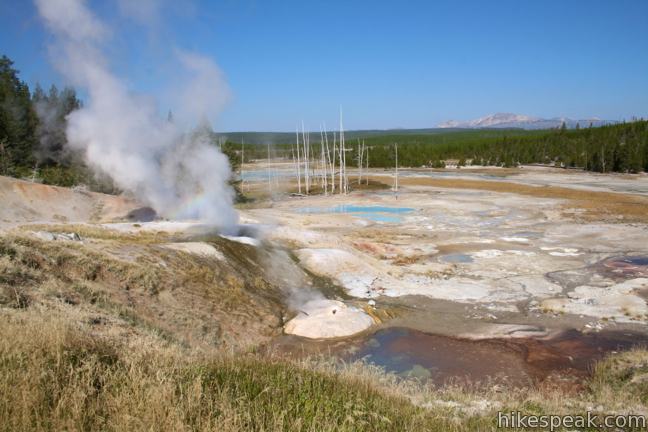
The first glimpse of the Porcelain Basin is often met with awe. From the overlook, a vast panorama unfolds: a milky-colored, steaming landscape devoid of trees, stretching out beneath an open sky. What gives these pools their distinctive hue? It's silica, the primary component of glass, dissolved in the thermal waters. Norris Geyser Basin is notable for containing the highest concentration of silica in all of Yellowstone, resulting in the striking milky blue appearance of many pools. This silica also contributes to the formation of the sinter terraces and fragile formations that characterize the basin.
But the colors don't stop at milky blue. As you venture onto the boardwalk, a kaleidoscope of oranges, greens, and even black emerges. The brilliant oranges often come from minerals rich in elements like iron and arsenic, staining the ground and water's edge. However, a significant portion of the basin's vibrant palette is thanks to extremophile microorganisms known as thermophiles. These heat-loving life forms thrive in the challenging conditions, creating stunning visual displays. You'll observe mats and streamers of these thermophile communities, like the intriguing alga *Zygognium*. This resilient organism appears dark on the surface but reveals a bright emerald green beneath, flourishing in highly acidic waters with a pH of 2-3 and temperatures ranging from 68 to 96 degrees Fahrenheit. This is a vivid testament to life's adaptability, thriving where most other organisms cannot. To delve deeper into these fascinating biological and geological interactions, read more about
Unveiling Porcelain Basin's Colors: Silica, Thermophiles & Acidic Waters.
As you explore, keep an eye out for movement near the water's edge. Despite the extreme conditions, a unique ecosystem persists. Ephydrid flies, also known as brine flies, are commonly seen skittering across the surface of the acidic pools, feeding on the thermophile communities. Their presence adds another layer of life to this seemingly barren landscape, highlighting the intricate food web that can develop even in the harshest environments.
A Walk Through Extremes: The Porcelain Basin Trail Experience
The Porcelain Basin Trail is an accessible and rewarding adventure, spanning approximately 0.75 miles. The path combines a well-maintained dirt trail with extensive boardwalks that guide you safely over the hot, acidic waters and fragile thermal features. This design ensures both visitor safety and the protection of Yellowstone's delicate geothermal formations.
The trail provides an up-close perspective of a diverse array of geothermal phenomena. As you walk, you'll pass bubbling crystalline hot springs, steaming vents, lively geysers, and intriguing mud pots. Each feature tells a story of the earth's powerful internal forces, offering a sensory experience of sight, sound, and even the distinct sulfurous scent that is characteristic of Yellowstone's thermal areas. The air itself is often thick with steam, especially on cooler mornings, creating an ethereal and somewhat mysterious atmosphere.
Despite its dramatic appearance, the trail is considered easy, making it suitable for hikers of all ages and fitness levels. It's a fantastic option for families with young children, providing an engaging and educational experience about geology and biology in a captivating setting. However, it's crucial to remember that this is an active thermal area. Always stay on the marked boardwalks and trails to protect yourself from scalding hot water, acidic ground, and fragile formations. The seemingly solid ground can be thin and unstable, harboring superheated water just beneath the surface.
Navigating the Trail and Beating the Crowds
Embarking on your Porcelain Basin adventure typically begins at the Norris Geyser Basin Museum. From the museum, follow the trail northward for a few hundred yards until you reach the start of the boardwalk loop. To fully experience the basin and avoid backtracking, it's recommended to take a right at the boardwalk and follow the Porcelain Basin circuit counterclockwise. This direction helps manage visitor flow and provides a natural progression through the features.
A notable detour on the circuit is the short out-and-back path to Nuphar Lake. This tranquil spot offers a different perspective and a moment of quiet reflection away from the main thermal features. After enjoying the lake, simply return to the boardwalk to continue your journey past a plethora of geysers and hot springs, circling back to the beginning of the circuit. Once you've completed the boardwalk loop, make your way back to the Norris Geyser Basin Museum. The museum houses insightful exhibits that provide further context and understanding of the incredible geothermal processes you've just witnessed, making it a worthwhile stop before you conclude your visit.
Given the popularity of the Porcelain Basin Trail, especially during the peak summer months, it can get quite crowded with both locals and tourists. To truly appreciate the tranquility and unique beauty of the
porcelain geyser basin, we highly recommend heading out early in the morning. Arriving shortly after sunrise not only allows for a more peaceful experience but also provides excellent opportunities for photography as the morning light illuminates the steam and vibrant colors. Visiting during the shoulder seasons (late spring or early fall) can also offer a less crowded experience with pleasant weather.
Beyond the Boardwalk: Understanding Yellowstone's Hottest Basin
The Porcelain Basin is just one remarkable component of the larger Norris Geyser Basin, which holds several distinctions within Yellowstone. Norris is celebrated as Yellowstone's hottest, oldest, and most dynamic thermal area. This high level of activity is due to its location at the intersection of three major fault lines and relatively thin crust above the Yellowstone hotspot. It's also near the western boundary of the Yellowstone Caldera, a geological feature that contributes to its intense geothermal energy.
The basin is known for its ever-changing nature. Geysers like Steamboat Geyser, the world's tallest active geyser, and Echinus Geyser, known for its acidic water and irregular eruptions, are testaments to the raw power beneath the surface. The water chemistry in Norris is predominantly acidic, a stark contrast to the alkaline waters found in other major basins like Old Faithful. This acidity, coupled with the high temperatures and silica concentrations, creates the unique conditions that define the Porcelain Basin and allow the specialized thermophile communities to thrive. Understanding Norris's broader context enhances the appreciation for the specific features of the Porcelain Basin, revealing it as a vibrant snapshot of Yellowstone's continuous geological evolution.
Conclusion
The Porcelain Basin Trail in Yellowstone National Park offers an unforgettable journey into a world of vibrant colors, steaming waters, and resilient life. Its easy accessibility, combined with the sheer visual spectacle of its silica-rich pools and thermophile-painted landscapes, makes it a must-visit destination for anyone exploring Yellowstone. From the unique acidic waters to the incredible adaptations of microbial life, the
porcelain geyser basin provides a profound connection to the powerful geothermal forces that shape our planet. Lace up your boots, bring your camera, and prepare to be mesmerized by this truly exceptional geothermal gem.