Discover the Porcelain Geyser Basin: Yellowstone's Must-See Geothermal Wonderland
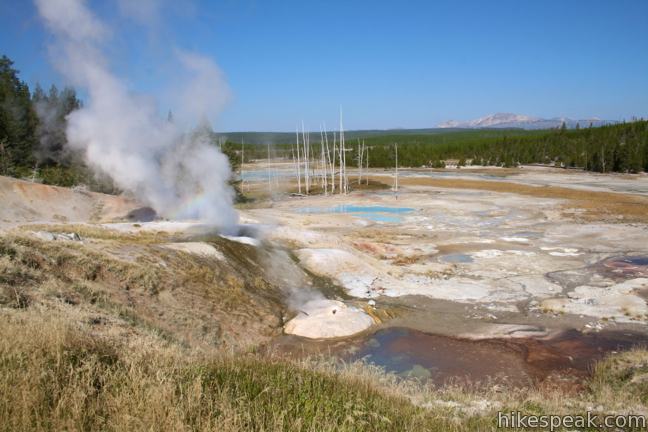
Nestled within the renowned Norris Geyser Basin, Yellowstone National Park's Porcelain Basin stands as a testament to the raw, untamed power of the Earth. Often described as a "geothermal wonderland," this captivating landscape offers visitors an unparalleled experience, showcasing a vibrant palette of colors, bubbling pools, and steaming vents that defy imagination. If you're seeking to witness the unique geothermal majesty of Yellowstone, exploring the Porcelain Geyser Basin is an absolute must.
The Porcelain Basin Trail is an accessible, family-friendly adventure that immerses you in one of the park's hottest and oldest geothermal areas. This easily navigable path, a combination of dirt trail and boardwalk, winds through a dramatic, treeless landscape, providing intimate views of geysers, mud pots, and crystalline hot springs. Prepare to be amazed by a truly otherworldly environment where the ground breathes steam and vibrant microbial life flourishes in extreme conditions.
A Kaleidoscope of Colors: The Science Behind Porcelain Basin's Hues
One of the most striking features of the Porcelain Geyser Basin is its breathtaking array of colors. From milky blues to fiery oranges and emerald greens, the landscape here is a living canvas painted by geological processes and microscopic life. Understanding the science behind these hues only deepens the appreciation for this extraordinary place.
- Milky Blue Pools: The Silica Secret
The signature milky blue color of many pools in Porcelain Basin is primarily due to silica, the very same component found in glass. The thermal waters within the Norris Geyser Basin, where Porcelain Basin is located, boast the highest concentration of silica in all of Yellowstone. This dissolved silica scatters light, creating the ethereal, milky blue appearance that makes these pools so iconic. Imagine staring into a pool of liquid glass, and you begin to grasp the beauty. - Fiery Oranges and Rustic Reds: Mineral Richness
Beyond the blues, you'll notice brilliant splashes of orange and reddish-brown. These vibrant tones are often the result of minerals leaching from the Earth's crust, particularly those containing elements like iron and arsenic. As the superheated water interacts with underground rock formations, it dissolves and transports these minerals to the surface, depositing them in colorful streaky patterns around the vents and pool edges. - Emerald Greens and Greenish-Blacks: The World of Thermophiles
Perhaps the most fascinating contributors to Porcelain Basin's chromatic display are thermophiles – microscopic organisms that thrive in extreme heat. These specialized microbes create a spectrum of colors, including vibrant oranges, emerald greens, and even greenish-black mats. These communities of bacteria and algae flourish in specific temperature ranges and pH levels, forming intricate patterns and streamers that coat the edges of pools and overflow channels. For a deeper dive into these fascinating colors and the science behind them, check out Unveiling Porcelain Basin's Colors: Silica, Thermophiles & Acidic Waters.
One notable example is Zygognium, a type of alga that appears dark on its surface but glows bright green beneath. This remarkable organism flourishes in highly acidic waters, specifically with a pH of 2-3, and tolerates temperatures ranging from 68 to 96 degrees Fahrenheit. Its presence is a vivid reminder of life's incredible adaptability.
Navigating the Porcelain Basin Trail: Your Geothermal Journey
The Porcelain Basin Trail offers an immersive and accessible way to experience this geothermal marvel. Starting your adventure at the Norris Geyser Basin Museum, you'll quickly find yourself transported into a landscape unlike any other. The trail itself is an easy, approximately 0.75-mile circuit that takes about an hour to complete at a leisurely pace, allowing plenty of time for observation and photography.
After a short walk northward from the museum, you'll reach the boardwalk. From here, taking a right will lead you along the Porcelain Basin circuit in a counterclockwise direction. This path is strategically designed to provide optimal views of the basin's diverse features. Look out for the first divide in the boardwalk; taking the path on your right leads to a quick out-and-back spur to Nuphar Lake, a serene spot often overlooked but worth the brief detour. After exploring Nuphar Lake, return to the main boardwalk to continue your journey past a plethora of geysers, hot springs, and bubbling mud pots back to the beginning of the circuit.
Practical Tips for the Trail:
- Beat the Crowds: Porcelain Geyser Basin is incredibly popular, especially during summer. To enjoy a more serene experience and capture stunning photos in the soft morning light, aim to start your hike early in the morning. This also helps avoid the midday heat.
- Stay on the Boardwalk: For your safety and the preservation of this fragile environment, it is crucial to remain on the designated boardwalks and trails. The ground around geothermal features can be deceptively thin, scalding hot, and highly acidic.
- Footwear and Attire: Wear comfortable, closed-toe walking shoes. Layers are always recommended in Yellowstone, as weather can change rapidly.
- Bring Water: Even a short hike can be dehydrating, especially in the sun and geothermal steam.
- Capture the Beauty: Don't forget your camera! The unique colors and textures of Porcelain Basin make for incredible photographic opportunities. Consider bringing a polarizing filter to enhance colors and reduce glare, especially on sunny days.
Life in Extreme Conditions: The Porcelain Basin's Unique Ecosystem
Beyond the vibrant colors and steaming vents, Porcelain Basin hosts a fascinating ecosystem adapted to its harsh conditions. The hot, acidic waters, though seemingly inhospitable, are teeming with life. As you walk the boardwalk, you'll notice not just the colorful thermophile mats but also the movement of other creatures that call this extreme environment home.
Ephydrid flies, also known as brine flies, are a common sight. These tiny insects feed directly on the thermophile communities, demonstrating a remarkable adaptation to the high temperatures and unique chemical composition of the basin. Their presence highlights the delicate balance of this ecosystem, where even the smallest organisms play a vital role. Observing these flies darting across the water's surface or resting on microbial mats provides a dynamic glimpse into a food web built on the very edges of habitability.
The existence of such specialized life forms, from the colorful algae to the resilient insects, underscores the scientific importance of Porcelain Geyser Basin. It serves as a natural laboratory for researchers studying extremophiles – organisms that thrive in conditions once thought impossible for life. This research not only expands our understanding of life on Earth but also offers insights into potential life beyond our planet.
Conclusion: An Unforgettable Yellowstone Experience
The Porcelain Geyser Basin is more than just a collection of hot springs and geysers; it's a dynamic, ever-changing landscape that engages all the senses. From the visual spectacle of its vibrant colors and steaming vents to the subtle scent of sulfur in the air and the rhythmic hiss and bubble of geothermal activity, it offers an unforgettable immersion into the heart of Yellowstone's volcanic power.
Whether you're a seasoned Yellowstone visitor or experiencing the park for the first time, a journey along the Porcelain Basin Trail is an essential part of the experience. It offers an easy, accessible way to witness the profound geothermal forces shaping our planet and to marvel at the extraordinary resilience of life. Don't miss the opportunity to explore this "porcelain geyser basin" – a true gem within America's first national park, and a vivid reminder of Earth's ongoing geological artistry. After completing your circuit, make sure to visit the Norris Geyser Basin Museum to further deepen your understanding of this incredible area before heading home.
